Residential Garage Door Repair in Fort Worth
Residential garage door repair in Fort Worth usually comes down to a handful of parts: springs, cables, rollers, tracks, sensors and the opener. Most home door problems start with one of them. Check the simple things safely, leave tension parts alone, and call to be connected with a local provider who works on home garage doors.
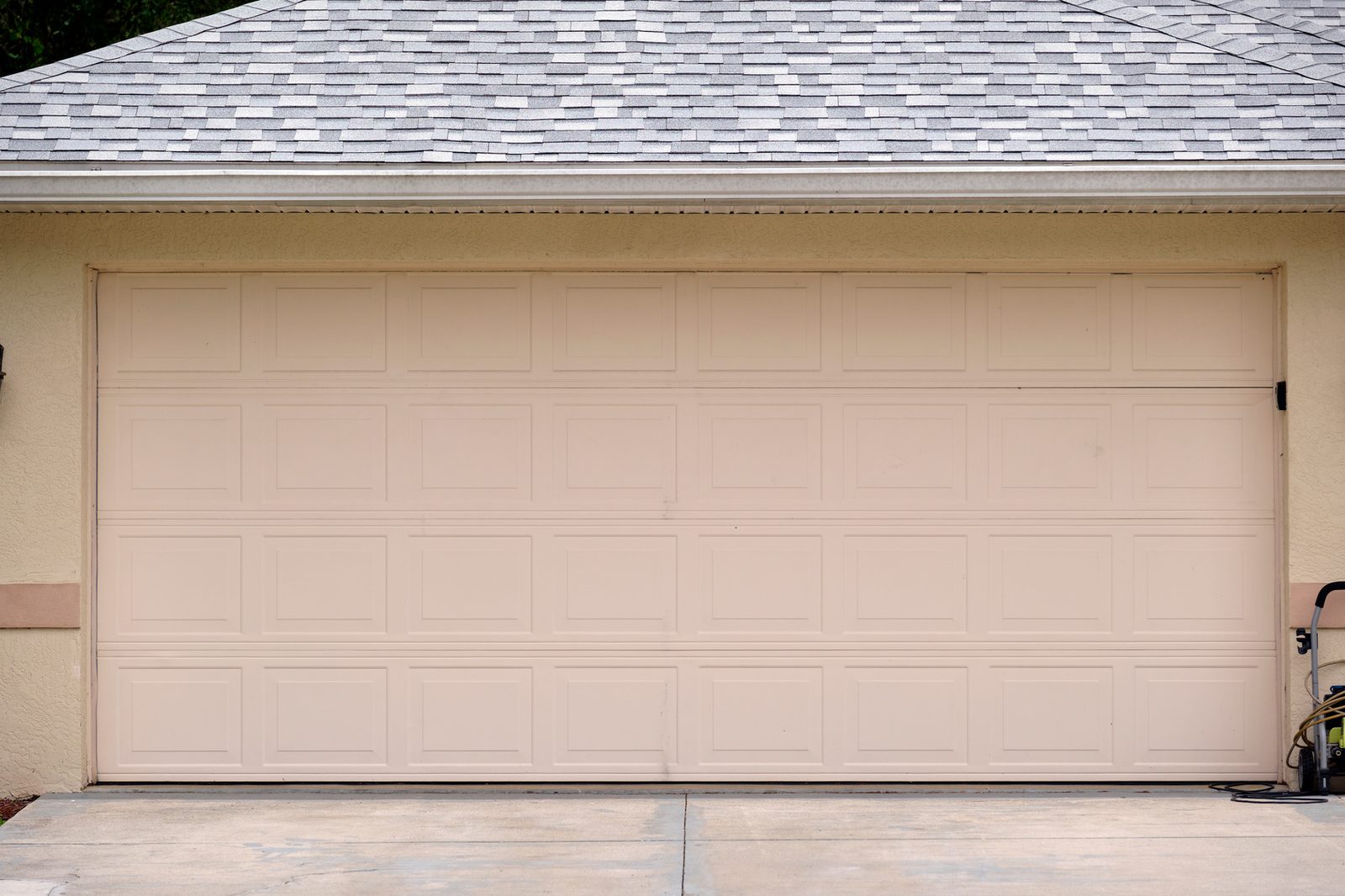
- Most home garage door problems involve springs, cables, rollers, tracks, sensors or the opener.
- Springs and cables hold heavy tension, so that work belongs to a trained provider.
- Regular garage door maintenance service can catch worn parts before they fail.
- DFW summers and winter freezes add wear to openers, seals and moving parts.
- Ask for a written quote before any repair work starts.
What does residential garage door repair in Fort Worth cover?
Residential garage door repair in Fort Worth covers the door itself and everything that moves it. That includes springs, lift cables, rollers, hinges, tracks, panels, weather seals, the opener and the safety sensors. A local provider looks at the whole system, because one worn part often puts strain on the others.
Home doors are different from shop or warehouse doors. They are usually lighter, they cycle several times a day and they often sit right next to living space. If you have a larger door on a shop building, see commercial garage door repair instead.
What are the most common garage door problems in Fort Worth homes?
The most common problems in Fort Worth homes are broken springs, frayed cables, noisy or worn rollers, doors that will not close because of the sensors, and openers that hum but do not lift. Doors that sit crooked or come off the track are also common after a car bumps the door.
- Broken spring: a loud bang, then a door that feels very heavy. See garage door spring repair.
- Cable or roller wear: a door that shakes, scrapes or hangs uneven.
- Sensor issues: the door starts to close, then reverses.
- Opener trouble: clicking, humming or no response to the remote. See opener repair.
Which garage door repairs are safe to try myself?
A few simple checks are safe for most people: replace remote batteries, wipe the sensor lenses, clear anything blocking the sensor beam, and check that the opener is plugged in. You can also look for loose bolts on hinges. Do not touch springs, cables or the bottom brackets.
Springs store enough energy to lift a heavy door, and the cables and bottom brackets are tied to that tension. Loosening the wrong part can cause serious injury. If a check does not fix the problem, stop and call to be connected with a local provider.
Need help now? Call to be connected with a local provider in Fort Worth who can check availability for your address.
When should I stop using my garage door and call for help?
Stop using the door if a spring is broken, a cable is loose or frayed, the door is off its track, or it hangs crooked. Running the opener in those cases can bend the door or pull it loose. Leave the door where it is and call for help.
A door that is stuck open is a security issue, but forcing it down can make things worse. If the door is off its track, read about off-track repair and keep people and pets away from it.
Does a garage door maintenance service help prevent repairs?
Yes, a garage door maintenance service can help you avoid some repairs by catching worn parts early. A typical visit includes checking the balance of the door, lubricating moving parts, tightening hardware and testing the auto-reverse and sensors. Small adjustments can keep the door running smoothly.
Maintenance cannot stop every failure, since springs wear out over time with normal use. It does give you a clear picture of what is aging. Learn more on the maintenance and tune-up page.
Should I repair or replace my home garage door?
Repair usually makes sense when the door is in good shape and one or two parts have failed. Replacement is worth a look when several panels are damaged, the door is badly worn or problems keep coming back. A local provider can explain both choices for your home.
Sometimes the middle path is replacing one damaged section. See repair vs replacement for the trade-offs.
What happens during the visit?
A local provider will inspect your garage door, explain what they find and give you a written quote before any work starts. You choose what to approve. No work should begin without your okay.
- Inspection: springs, cables, rollers, hinges, tracks, panels, the opener and the safety sensors.
- Options explained: what is a safety issue, what is normal wear and what can wait, plus repair and replacement choices.
- Written quote: the scope of work in writing before anything is done.
- Final check: ask the provider to run the door and test the auto-reverse with you after the work.
How does North Texas weather affect home garage doors?
Fort Worth weather is tough on residential garage doors in both summer and winter. The National Weather Service reports that DFW's average first 100°F day is July 1 and the average last is August 27, and that the most 100°F days in one year was 71, in 2011. Long hot stretches add load on opener motors and dry out rubber seals.
Winter brings its own wear. At DFW Airport, the average first freeze is November 22, according to the NWS, so cold weather is close. During the February 2021 winter storm, DFW Airport fell to -2°F and stayed below freezing for 139 consecutive hours. Cold can stiffen seals and lubricant, which makes doors noisier and harder to move.
Homes in Arlington, Keller, North Richland Hills, Mansfield and Burleson see the same weather swings. If your opener connects to an alarm system or logs entry, note that the Texas Department of Public Safety says installing that type of opener requires a DPS license, while installing a standard opener does not.
Related pages
Questions people ask
Who can I call for residential garage door repair in Fort Worth?
Call the number on this page to be connected with a local provider for residential garage door repair in Fort Worth. Describe what the door is doing so the provider understands the problem. Ask for a written quote before work begins.
Why is my garage door so heavy all of a sudden?
A garage door that suddenly feels very heavy usually has a broken spring. The spring does most of the lifting, so without it the door is dead weight. Stop using the opener and call to have it checked.
Is a loud bang in my garage a broken spring?
Often, yes. A torsion spring that snaps can sound like a loud bang or gunshot in the garage. Look for a gap in the spring above the door, but do not touch it, and call for help.
Why does my garage door go down and then go right back up?
In most Fort Worth homes, this means the safety sensors are blocked or out of line. Clear the beam path and wipe the lenses. If the sensor lights still blink, a provider can check the sensors and wiring.
How often should I get garage door maintenance service in Fort Worth?
Many homeowners schedule garage door maintenance service about once a year. Heavy daily use or a noisy, jerky door are reasons to have it looked at sooner. A visit usually covers balance, lubrication and safety tests.
Can I lubricate my garage door myself?
Yes, light lubrication of hinges, rollers and the opener rail is usually fine for a homeowner. Use a product made for garage doors and avoid heavy grease on the tracks. Leave springs and cables to a trained provider.
My garage door opener hums but the door will not move. What is wrong?
A humming opener with a door that will not move often points to a broken spring, a jammed door or a worn opener gear. Do not keep pressing the button. Call to have the door and opener checked.
Is it dangerous to replace garage door cables myself?
Yes, cable work is risky because the cables are attached to spring tension. A slip can cause serious injury. Call to be connected with a local provider for cable and spring repairs in Fort Worth.
Why is my garage door so noisy in the morning?
Noise often comes from dry rollers, loose hardware or worn hinges, and cold mornings can make it worse. Light lubrication may help. If the door grinds, shakes or scrapes, have it inspected.
Can summer heat in Fort Worth wear out my garage door opener?
Long hot stretches can add wear to openers and dry out seals. DFW has had as many as 71 days of 100°F or more in one year, according to the National Weather Service. A yearly check can catch heat-related wear.
My garage door is crooked on one side. Can I still use it?
No, stop using a crooked garage door. It can mean a broken cable, a broken spring on one side or a door coming off the track. Keep clear of it and call for help.
What should I do if my garage door will not close and I need to leave?
First check the sensors, the remote batteries and the wall button. If the door still will not close, do not force it. Call to be connected with a local provider and explain that the door is stuck open.
Do I need a new garage door or just new parts?
Many home doors only need new parts, such as springs, rollers or a single panel. A new door is worth a look when damage is widespread or repairs keep repeating. A provider can explain both options.
Does a garage door opener tied to my home alarm need a licensed installer in Texas?
According to the Texas Department of Public Safety, installing an opener connected to an alarm system, or one that monitors or logs entry, requires a DPS license. Installing a standard opener does not.
Why does my garage door open by itself?
A door that opens on its own can be caused by a stuck wall button, a faulty remote or an opener setting. Unplug the opener if it keeps happening. A provider can check the controls and wiring.
Can cold weather make my garage door stick?
Yes, cold can stiffen weather seals and lubricant, which makes the door slower or louder. DFW's average first freeze is November 22, per the NWS. If the door binds or strains in the cold, have it checked.
How do I test the auto-reverse on my garage door?
Place a roll of paper towels or a small board on the floor under the door and close it. The door should stop and reverse when it touches the object. If it does not, stop using it and call for help.
Is residential garage door repair different in Keller or Arlington than in Fort Worth?
The common problems are the same across Keller, Arlington and Fort Worth, since homes share similar doors and weather. Call to be connected with a local provider who serves your area.
Talk to someone about your garage door problem
Call to be connected with a local provider who can check availability for your address and explain the next step.